Choosing the right pump for pumping out water requires more than comparing price tags and motor power. China’s pump industry offers many options, including submersible, centrifugal, sewage, and diesel-driven models. Each design serves a different situation, from clearing a flooded basement to draining construction trenches or agricultural ponds.
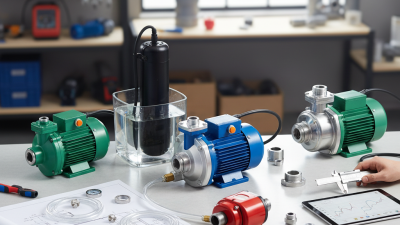
This guide examines ten Chinese pumps using practical criteria. These include flow rate, total head, motor efficiency, materials, seal protection, maintenance access, and supplier reliability. Real operating conditions matter. Muddy water can damage a standard impeller. Long discharge hoses can sharply reduce performance. A pump rated for 30 meters of head may deliver much less water at that height.
Details matter.
The selected models should be judged against published specifications, manufacturer documentation, and verified user feedback. Certifications and factory quality systems can support confidence, but they do not replace field testing. Some product data may appear optimistic, especially when measured under ideal laboratory conditions. That deserves attention. Buyers should confirm actual flow, voltage, cable length, spare-part availability, and after-sales support before purchasing.
This comparison is designed for contractors, facility managers, farmers, and homeowners seeking dependable drainage equipment. It does not claim that one pump fits every job. Site conditions vary widely. A powerful pump may still fail when debris blocks its intake or when the power supply is unstable. Careful sizing remains essential. Within these limits, the following China top 10 pumps for pumping out water provide a practical starting point for informed evaluation.
China Top 10 Pumps for Pumping Out Water
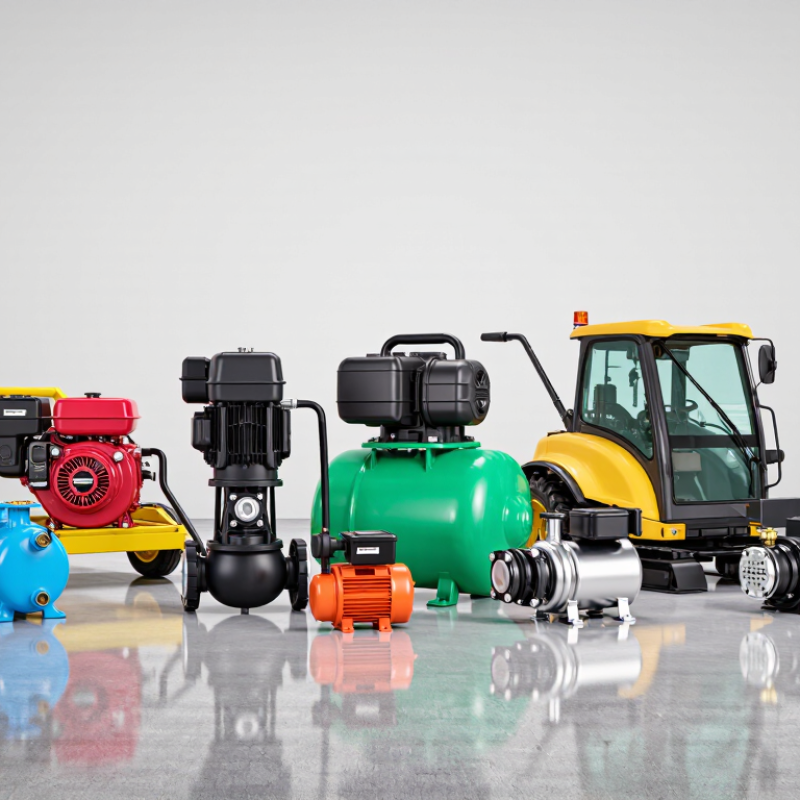
Water removal pumps handle flooding, construction drainage, wells, and wastewater control. Their design determines where they work best. Submersible pumps operate underwater and push water through an outlet hose. Centrifugal pumps use a spinning impeller to increase water speed and pressure. Diaphragm pumps move water through repeated membrane action. They can handle muddy water and some suspended solids. Trash pumps use wider passages, making them useful for leaves, gravel, and sludge.
Choosing a pump requires more than checking flow rate. Measure the vertical lift, hose length, water depth, and expected debris. A high-flow pump may perform poorly against strong head pressure. Electric models suit indoor or dry locations when properly protected. Engine-driven units offer mobility, but they need ventilation and regular fuel checks. Never run a pump dry unless its design allows it. That mistake can damage seals quickly. In practice, site conditions often change, so an initial estimate may need revision.
Tips: Place the intake above loose sediment when possible. Use a strainer that matches the debris size. Check cables, grounding, and connections before operation. Keep discharge hoses free from sharp bends. Inspect the impeller after pumping gritty water. A small backup pump can prevent costly delays during sudden rainfall. Personnel should follow the equipment manual and local safety requirements, even when the job seems simple.
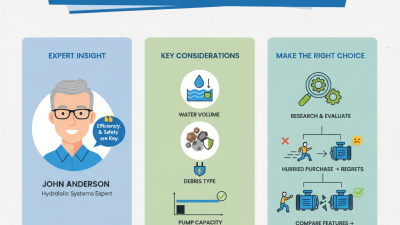
Choosing a water pump depends on the job, not only its price or origin. Measure the water depth, discharge distance, and expected flow before comparing models. Clear water works well with a standard drainage pump. Muddy water needs a wider passage for sand, leaves, and small stones. Do not guess.
A submersible pump is practical for flooded basements, tanks, and construction pits. It works underwater and usually needs less installation space. A surface pump may suit shallow sources, but suction height has strict limits. Check the required flow rate in liters per minute and the total head in meters. Total head includes vertical lift, pipe length, bends, and outlet pressure. A pump with high flow but weak head may perform poorly.
Inspect the motor protection rating, cable length, seal quality, and overload protection. For frequent use, cast metal housing often handles impact better than thin plastic. Ask for performance curves, test records, warranty terms, and replacement-part availability. These documents reveal more than attractive catalog numbers. I have seen pumps selected correctly on paper but slowed by narrow hoses. Real sites are rarely tidy. Allow extra capacity, but avoid oversized pumps that waste power and cause unstable discharge. A dry-running pump may fail quickly, so install a float switch or monitor the water level closely.
China’s leading ten water pump manufacturers cover a broad range of pumping needs. Their product categories include centrifugal pumps, submersible pumps, sewage pumps, booster pumps, and self-priming pumps. Other common lines include diaphragm, axial-flow, multistage, fire, and solar-powered models.
In practical projects, centrifugal pumps handle clean water transfer between tanks. Submersible pumps work inside wells, drainage pits, and flooded basements. Sewage pumps need hardened impellers and wider passages for suspended solids. Booster pumps maintain pressure in apartment buildings, workshops, and irrigation systems. Multistage pumps suit high-rise supply, while axial-flow pumps move large volumes at low lift.
A reliable manufacturer should provide performance curves, material details, test records, and spare-part support. Engineers should check flow rate, total head, liquid temperature, power supply, and seal design before choosing a model. Site experience matters. A pump that performs well in a factory test may struggle with sand, voltage changes, or long discharge pipes. That detail is easy to overlook.
Quality evaluation should include vibration, noise, insulation, leakage protection, and continuous-load testing. Some suppliers offer attractive prices but limited technical documentation. This is not automatically a failure, but it deserves careful questioning. Buyers should also verify applicable safety requirements and after-sales response times. The best choice depends on the working conditions, not simply on production scale or claimed ranking.
The chart compares representative rated flow capacities commonly published for major water pump categories manufactured and supplied in China. Actual performance depends on pump size, motor power, head, installation conditions, and application requirements.
A reliable comparison of China’s top ten water pumps should begin with flow rate, head, power, and durability.
Flow rate shows how quickly a pump removes water. For drainage work, measured output matters more than the catalog figure. A pump rated at 60 cubic meters per hour may deliver less through a long, narrow hose. Head describes lifting ability. A unit with 25 meters of head can handle raised discharge lines better, but its flow usually falls as height increases.
Power ratings need careful reading. A larger motor may move water faster, yet it can increase electricity use and operating costs. During testing, compare pumps with the same hose length, water depth, and discharge height. Record starting current, running noise, and heat after two hours.
Small details matter. A stable float switch can prevent dry running. A wide inlet reduces clogging from leaves and grit.
Durability is harder to judge from one inspection.
Check casing thickness, shaft materials, seal quality, and access to replacement parts. Pumps used on construction sites need stronger protection than basement drainage units. Mud exposes weak seals quickly.
I would also inspect cable flexibility after repeated bending. Some published ratings seem optimistic. Real performance often changes with dirty water, voltage drops, and poor maintenance. That gap deserves honest attention.
China Top 10 Pumps for Pumping Out Water
Installation, Operation, Maintenance, and Safety Guidelines
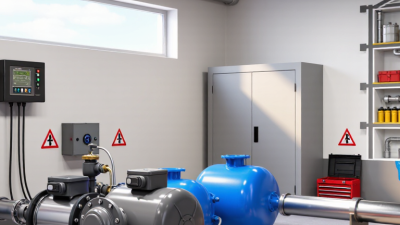
Choosing among China’s top ten water pumps requires more than comparing flow rates. Confirm the required head, water temperature, solids size, and duty cycle. A pump installed on an undersized discharge hose may overheat quickly. Keep the intake fully submerged, and avoid sharp bends near the suction point. For electrical models, use proper grounding and a weather-resistant connection. Never lift a submersible pump by its power cable.
During operation, check vibration, unusual noise, seal leakage, and motor temperature. Cavitation often sounds like gravel inside the casing. Stop the pump if this occurs. The U.S. Department of Energy reports that pumping systems may consume 25–50% of industrial electricity, making correct sizing a practical energy concern. A throttled valve can hide poor selection, but it does not fix it. That mistake is still common.
Maintenance records should include running hours, insulation checks, impeller condition, lubricant changes, and cable inspection. Clean screens before blockage reduces flow. Follow the manufacturer’s service intervals, but shorten them in muddy or abrasive water. Before opening any housing, isolate power and release pressure. OSHA’s lockout/tagout standard, 29 CFR 1910.147, requires control of hazardous energy during servicing. Test the circuit before touching components. It sounds obvious. People still skip it. Float switches should move freely, and automatic restart settings deserve special review after every repair. Reliable pumping depends on disciplined installation, not the product ranking alone.
| No. | Pump Type | Typical Water-Removal Application | Typical Operating Range | Installation Guidelines | Operation Guidelines | Maintenance Requirements | Key Safety Measures |
|---|---|---|---|---|---|---|---|
| 1 | End-Suction Centrifugal Pump | Building drainage, irrigation, clean-water transfer, tank emptying, and general industrial water circulation. | Approximately 5–500 m³/h; commonly used for low-to-medium head service up to about 100 m. | Install on a rigid, level foundation. Keep the suction pipe short, airtight, and properly supported. Fit a foot valve or check valve when required for suction lift. | Prime the casing before startup unless the unit is self-priming. Open valves gradually and avoid operation with a closed discharge valve for extended periods. | Check mechanical seals, bearings, coupling alignment, vibration, and motor current. Clean the impeller and inspect pipe strain regularly. | Isolate electrical power before servicing. Protect rotating couplings and never operate the pump dry. |
| 2 | Horizontal Split-Case Pump | Municipal water supply, flood-control systems, cooling-water circulation, and large-scale dewatering. | Approximately 100–10,000 m³/h; typically selected for medium-to-high flow and moderate head. | Use a strong concrete base and verify shaft alignment after piping is connected. Provide adequate suction conditions to prevent cavitation. | Open the suction valve fully and control discharge flow gradually. Monitor pressure, bearing temperature, vibration, and motor load. | Inspect casing joints, wear rings, shaft sleeves, bearings, and coupling alignment. Follow the manufacturer’s planned lubrication intervals. | Use lockout/tagout before opening the casing. Confirm lifting equipment is rated for the pump assembly and keep guards installed. |
| 3 | Vertical Turbine Pump | Deep wells, reservoirs, raw-water intakes, irrigation stations, and high-lift water supply. | Approximately 50–10,000 m³/h; suitable for deep-water sources and substantial total head. | Ensure the well or intake has adequate submergence. Install the column vertically and accurately; support the discharge head and align the shaft sections. | Start with the discharge system prepared for flow. Watch for excessive vibration, changes in water level, abnormal thrust, or loss of lubrication. | Inspect line-shaft bearings, bowls, impellers, thrust bearings, and column joints. Check alignment and record vibration trends. | Use fall protection around open wells and lifting controls for long shaft sections. Prevent access to exposed rotating components. |
| 4 | Submersible Drainage Pump | Construction-site pits, basements, sumps, mine drainage, stormwater removal, and emergency floodwater pumping. | Approximately 5–500 m³/h; commonly used for low-to-medium head drainage. | Place the pump on a stable surface or guide-rail system. Keep the intake clear, use a discharge check valve where needed, and protect the cable from abrasion. | Keep the motor sufficiently submerged unless it is specifically rated for intermittent dry operation. Use level controls to prevent excessive cycling. | Flush the casing, inspect the impeller and strainer, test insulation resistance, and check cable glands and moisture sensors. | Never lift the pump by its electrical cable. Use a residual-current device and disconnect power before removing the pump from water. |
| 5 | Submersible Sewage Pump | Wastewater sumps, sewage lift stations, municipal drainage, and industrial effluent transfer. | Approximately 10–1,500 m³/h; solids-passage size depends on the impeller design. | Provide a guide-rail or properly anchored installation. Size the wet well to limit sediment accumulation and install suitable ventilation. | Prevent frequent starts and stops. Monitor level controls, discharge pressure, motor temperature, and signs of clogging or blockage. | Clean the wet well, inspect impeller clearance and seals, test alarms, and verify non-return valves and lifting chains. | Treat wastewater as biologically hazardous. Use protective clothing, gas detection, confined-space procedures, and lockout/tagout. |
| 6 | Self-Priming Sewage Pump | Portable bypass pumping, construction dewatering, sewage transfer, and applications requiring above-ground access. | Approximately 20–2,000 m³/h; suction lift is commonly limited to practical atmospheric conditions and installation height. | Install as close as possible to the water source. Use a submerged suction hose, airtight connections, a stable base, and an accessible cleanout cover. | Fill the priming chamber as instructed. Avoid excessive suction lift, monitor for air leaks, and maintain sufficient flow to prevent overheating. | Inspect the priming system, check valves, wear plates, impeller, seals, hoses, and engine or motor fluids. | Keep guards fitted and control exhaust gases when engine-driven. Do not open the casing until pressure is released and power is isolated. |
| 7 | Axial-Flow Pump | Flood-control stations, drainage channels, irrigation, aquaculture, and high-volume water transfer at low lift. | Approximately 1,000–50,000 m³/h; generally used for low heads, often below about 15 m. | Provide a straight, well-designed intake with adequate submergence and anti-vortex measures. Avoid abrupt changes in flow direction near the inlet. | Operate near the design flow range. Monitor water level, motor load, vibration, and unusual hydraulic noise caused by vortices or cavitation. | Inspect blades, guide vanes, bearings, seals, screens, and intake debris. Remove sediment and maintain the intake structure. | Secure access platforms and screens. Use isolation procedures before entering channels, wet wells, or intake structures. |
| 8 | Mixed-Flow Pump | Stormwater drainage, irrigation networks, flood protection, cooling-water systems, and medium-head water transfer. | Approximately 200–20,000 m³/h; commonly selected for medium flow and medium head requirements. | Install with a properly sized suction bell or intake. Maintain adequate submergence and align the pump, motor, and discharge piping accurately. | Control the flow with a suitable valve or variable-speed drive. Avoid operation far outside the pump curve and record performance readings. | Check impeller condition, shaft alignment, guide bearings, seals, vibration, and hydraulic passage blockage. | Install barriers around open water and rotating equipment. Verify electrical grounding and isolate all energy sources before maintenance. |
| 9 | Diaphragm Pump | Sludge, contaminated water, abrasive drainage, temporary bypass pumping, and sites with air-powered equipment. | Approximately 1–300 m³/h; flow is adjustable and depends on air pressure, diaphragm size, and fluid properties. | Use adequately sized suction and discharge hoses. Install an air filter and regulator for pneumatic models, and support hoses to prevent excessive loads. | Start with low air pressure and increase gradually. Prevent hose kinks, excessive back pressure, and operation with incompatible chemicals or solids. | Inspect diaphragms, valve balls, seats, air valves, fasteners, and hose connections. Replace elastomers when swelling, cracking, or leakage appears. | Release compressed air and hydraulic pressure before disassembly. Wear eye and hand protection when handling contaminated liquids. |
| 10 | Progressive Cavity Pump | Thick sludge, wastewater with suspended solids, dewatered sludge, and water containing fibrous material. | Approximately 0.1–500 m³/h; suitable for controlled flow and relatively high discharge pressure. | Install with a flooded or adequately prepared suction line. Provide a pressure-relief device and ensure the rotor and stator are compatible with the fluid. | Never run dry because the stator can overheat quickly. Use a variable-speed drive where appropriate and monitor discharge pressure continuously. | Check rotor, stator, drive joints, seals, bearings, and pressure protection. Flush the pump after handling sludge or settling solids. | Isolate electrical and hydraulic energy before service. Confirm the discharge path is open and pressure has been fully relieved. |
Note: Actual flow, head, motor power, solids-passage size, materials, and duty limits must be confirmed from the selected pump’s certified performance curve and project specifications.
We are here to help you with all your queries and concerns, just write to us using the below form and we will get back to you as soon as we can.