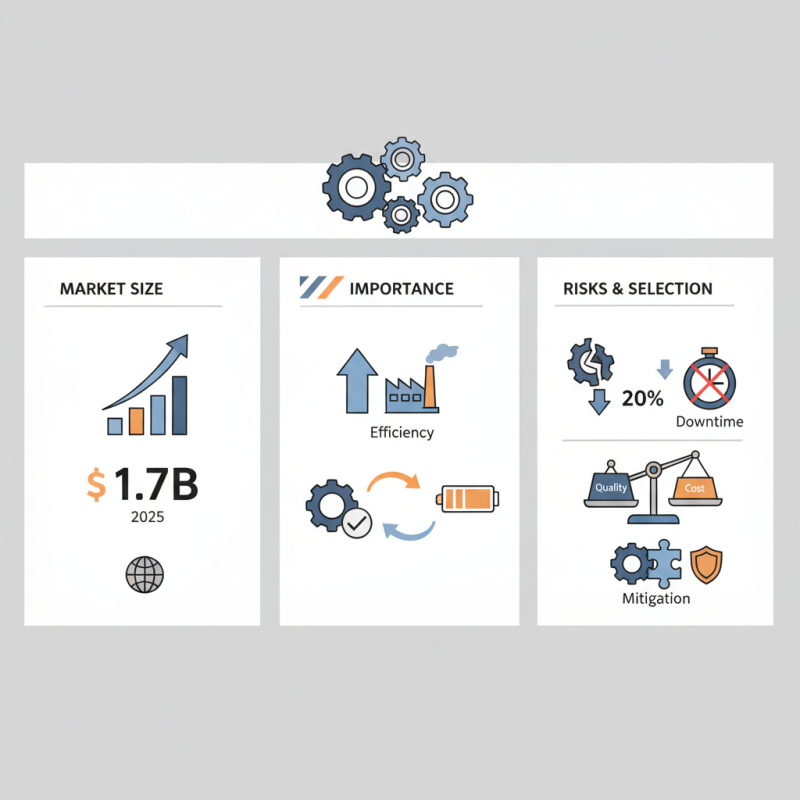
In the industrial landscape, gear pump spare parts play a critical role in maintaining efficiency. According to a recent market report by Grand View Research, the global gear pump market is projected to reach $1.7 billion by 2025, underscoring the demand for reliable machinery components. Proper selection of these spare parts is essential, as they directly influence pump performance and longevity.
Understanding the specifications of gear pump spare parts can be daunting. Not all components fit every pump model, and mismatched parts can lead to costly operational failures. A study by Markets and Markets reveals that approximately 20% of machinery downtime is attributed to component failures. Thus, choosing the right parts is not just a recommendation; it is a necessity.
Additionally, while cost is a significant factor, quality should not be compromised. Low-quality spare parts can lead to rapid wear and increased maintenance costs over time. Manufacturers emphasize compatibility and performance standards to mitigate risks. Recognizing these complexities is crucial for anyone involved in industrial operations.
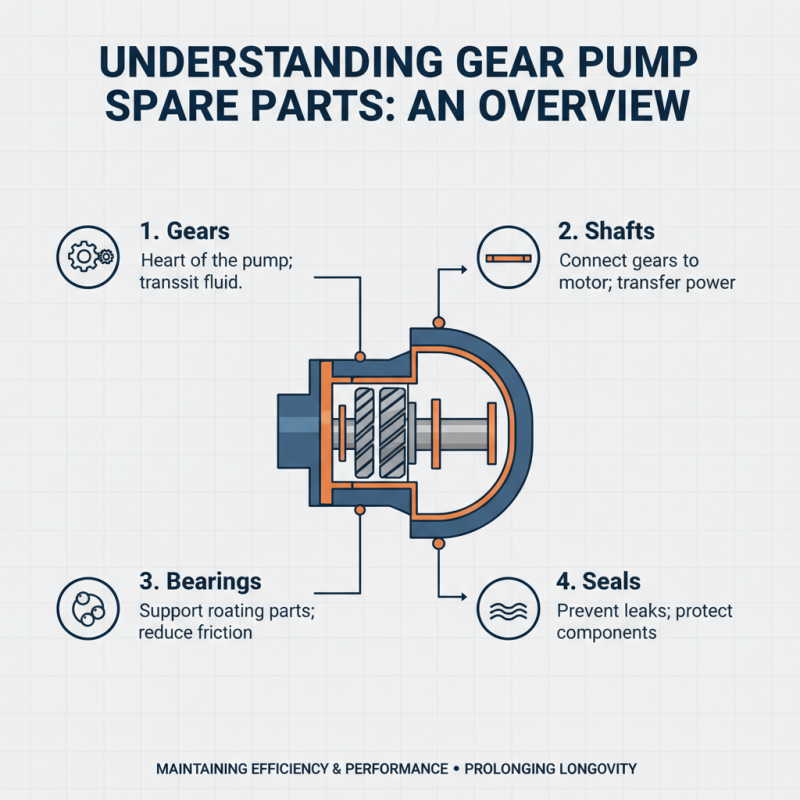
Gear pumps are integral components in various industrial applications. Understanding the spare parts associated with these pumps is essential for maintaining efficiency and performance. Key spare parts include gears, shafts, bearings, and seals. Each of these components plays a crucial role in the pump's operation and can directly affect its longevity.
Recent studies indicate that up to 30% of pump failures arise from issues related to worn-out gears and seals. This underscores the importance of regularly assessing spare parts for signs of wear. For instance, observing vibration levels can indicate failing bearings. Additionally, maintaining accurate fluid levels helps prevent premature wear on seals.
When choosing spare parts, consider the pump's specifications and operating conditions. Select parts that meet the manufacturer's guidelines to ensure compatibility. However, industry insights reveal that many operators overlook the importance of quality in spare parts. Utilizing subpar alternatives can lead to performance issues and increased maintenance costs. It's vital to strike a balance between cost and quality to achieve reliable operation in the long run.

When exploring gear pump spare parts, understanding the types available is crucial. Gear pumps consist of various components that can wear down over time. Common spare parts include gears, seals, and shafts. Each part plays a vital role in the pump’s performance and longevity.
Gears drive the pump and can wear due to pressure and friction. Choosing the right gear material is vital. Steel and plastic are common options, each offering distinct benefits. Seals are essential for preventing leaks. They come in different materials like rubber or PTFE. A proper seal can significantly reduce maintenance issues. Shafts provide stability and durability. Selecting a shaft that matches the pump’s specifications is critical for optimal performance.
It's important to consider the environment where the pump operates. Factors like temperature and chemical exposure can impact spare parts durability. Sometimes, it’s easy to overlook these details. Make sure you’re aware of the specific requirements for your gear pump to avoid future issues. Regularly inspecting these components can help catch problems early. If parts show signs of wear, replace them promptly. This can save costly repairs down the line.
Choosing the right spare parts for gear pumps is crucial for maintaining efficiency. Several factors come into play when selecting these components. First, consider the material compatibility. Different fluids require specific materials to ensure durability and avoid chemical reactions. Rubber, metal, and plastic options are available, each suited for various applications.
Size is another critical aspect. The spare parts must fit your pump's specifications precisely. Using incompatible sizes can lead to leaks or pump failure. Measure the existing components before making a purchase. Don’t hesitate to consult technical manuals or expert professionals for guidance.
Here are some tips for a better selection process: always verify the manufacturer’s specifications. Likewise, look for parts with a warranty. This can be a mark of quality assurance. Additionally, consider sourcing from reputable suppliers. A reliable supplier can provide more than just products; they offer valuable insights. Each choice can impact your pump's performance, so take your time.
When selecting spare parts for your gear pump, compatibility with your specific pump model is crucial. Each gear pump has unique specifications. These include the size, pressure rating, and materials used. Using parts that do not meet these criteria can lead to failures or inefficiencies.
To ensure compatibility, start by reviewing your gear pump's manual. This document contains vital information regarding part numbers and specifications. If the manual is unavailable, check the manufacturer's website. They often provide detailed resources for finding the right parts. Keep in mind that while generic parts are available, they may not deliver the same performance.
**Tips:** Always cross-reference part numbers before purchasing. This simple step can save time and costs. It’s also essential to check the materials used in the spare parts. Some parts may degrade faster under certain conditions.
Another aspect to consider is the installation process. If the replacement part is difficult to install, it might not fit correctly, leading to additional problems. Consult with a professional if you're unsure about the installation. Remember, even minor discrepancies can cause significant issues. Taking the time to ensure compatibility will enhance your gear pump's efficiency and lifespan.
| Spare Part | Material | Common Gear Pump Models | Compatibility Check |
|---|---|---|---|
| Gears | Steel, Hardened Steel | Model A, Model B | Match gear size with OEM specifications |
| Seals | Nitrile, Viton | Model C, Model D | Ensure seal dimensions fit correctly |
| Housings | Aluminum, Cast Iron | Model E, Model F | Check mounting patterns |
| Shafts | Stainless Steel, Carbon Steel | Model G, Model H | Correlate with drive coupling size |
| Filters | Polyester, Stainless Steel Mesh | Model I, Model J | Validate filter rating and dimensions |
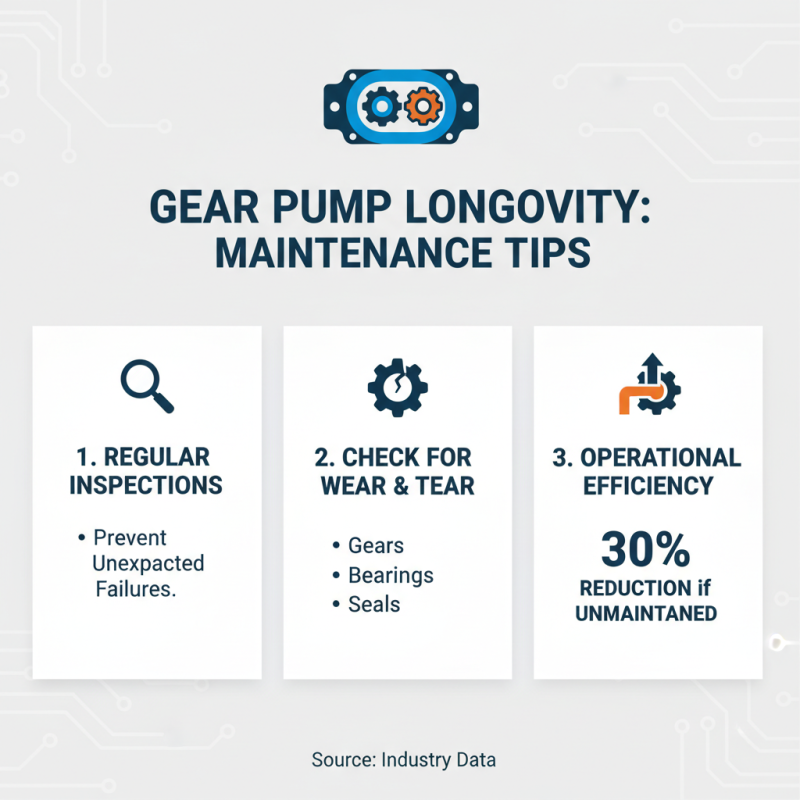
Maintaining gear pump spare parts is vital for ensuring their longevity. Regular inspections can prevent unexpected failures. Industry data shows that improperly maintained gear pumps can lead to a 30% reduction in operational efficiency. Over time, wear and tear can occur on gears, bearings, and seals. These components often require routine checks for signs of damage or excessive wear.
Using the right lubrication is crucial. Inadequate lubrication can cause friction and overheating, leading to early part degradation. Research indicates that up to 60% of gear pump failures are linked to poor lubrication practices. Additionally, proper storage conditions for spare parts can diminish their lifespan. Extreme temperatures or humidity can negatively affect the materials.
Replacement parts should always match the specifications of the original units. Using incompatible parts can lead to poor performance and increased wear. Adopting a proactive maintenance schedule is essential. This ensures that the right parts are always ready for replacement. Regular training for operators on maintenance best practices is also beneficial. Even minor oversights can lead to significant downtime and costs.
We are here to help you with all your queries and concerns, just write to us using the below form and we will get back to you as soon as we can.