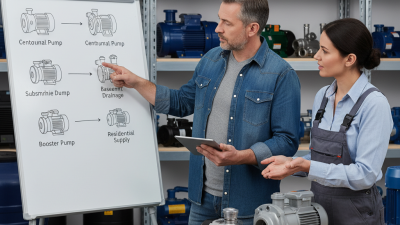
2026 Best Pump for Pumping Out Water for Global Buyers

Choosing the best pump for pumping out water in 2026 requires more than comparing flow rates and prices. Global buyers face different flood conditions, power systems, water qualities, and service networks. A pump that performs well on a construction site may struggle in a basement filled with mud and debris. The right choice depends on matching equipment to the actual job.

This guide examines practical options for drainage, emergency dewatering, agriculture, construction, and industrial maintenance. It considers flow capacity, total head, suction limits, solids handling, materials, noise, fuel use, and expected operating hours. Electric pumps can suit stable power supplies and indoor work. Diesel pumps may offer greater mobility, but they require ventilation, fuel management, and regular maintenance. Portable models save time. Fixed systems often provide better long-term reliability.

Details matter. A narrow discharge hose can reduce real performance, even when the pump has an impressive laboratory rating. Voltage and frequency must match local electrical systems. Certifications, warranty terms, spare parts, and technical support also deserve careful review. These factors are easy to overlook during urgent purchasing decisions.

No single model wins every site. That is the honest part. A lower-cost pump may become expensive after repeated seal failures or delayed repairs. Buyers should request verified performance data and confirm conditions with qualified suppliers. Field experience helps, but it is not enough by itself. Water depth, debris size, discharge distance, and daily duty cycle should be measured before selection. This 2026 guide helps global buyers compare reliable solutions with clearer expectations and fewer costly surprises.
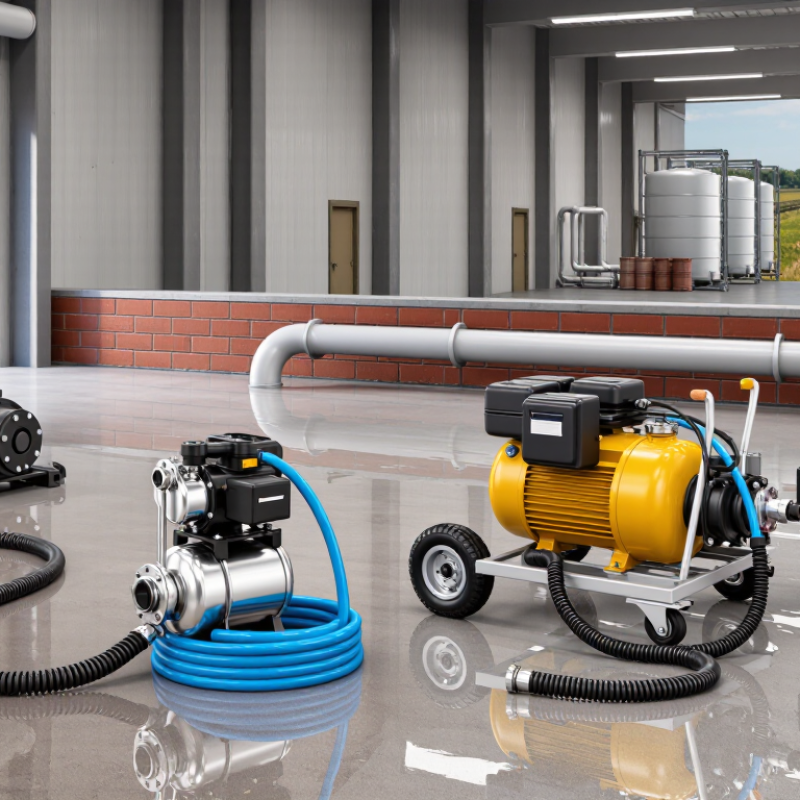
2026 Best Pump for Pumping Out Water for Global Buyers

Types of Water Pumps for Different Drainage Needs

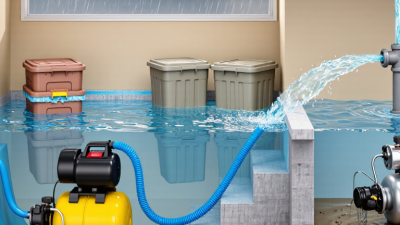
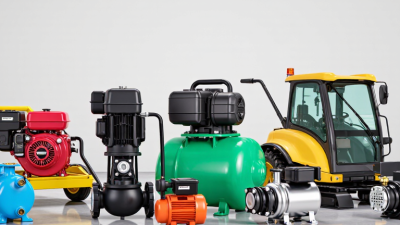
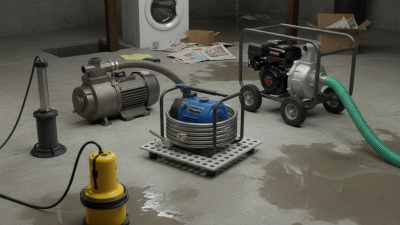
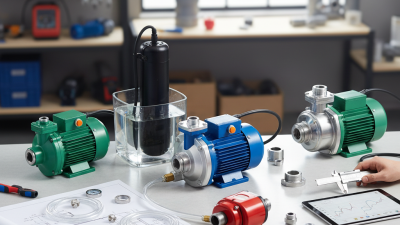
For global buyers in 2026, the best water pump depends on the drainage problem, not a sales label. A submersible dewatering pump suits flooded basements, pits, and shallow construction trenches. It works underwater and usually needs little setup. A sewage pump handles wastewater containing soft solids, while a trash pump moves muddy water and larger debris. Choose a high-head centrifugal pump when water must travel uphill or through long discharge hoses. For slow, dirty, or air-filled water, a diaphragm or self-priming pump can be more forgiving.

Tips: Check flow rate, total head, solids size, hose diameter, and power supply before ordering. Measure the deepest point and the discharge height. Confirm voltage and frequency match the site supply. A small pump may look economical, but slow drainage can increase labor and damage. In field use, blocked intake screens are common after heavy rain. Keep a spare screen and inspect the impeller regularly. Do not ignore noise or vibration. They often signal wear, trapped debris, or poor installation.

One practical mistake is selecting by maximum flow alone. That figure may be measured without hose resistance. Real output can fall sharply with height, bends, and dirty filters. I have seen a powerful pump underperform because its outlet hose was too narrow. This is easy to miss. A reliable purchase matches the pump curve to actual site conditions, then leaves room for maintenance.

2026 Best Pump for Pumping Out Water for Global Buyers - Types of Water Pumps for Different Drainage Needs

Pump Type Best Drainage Application Typical Flow Rate Typical Total Head Solids Handling Typical Power Range Main Advantages Important Selection Factors
Submersible Drainage Pump Basements, flooded rooms, construction pits, tanks and rainwater removal 2–30 m³/h 5–25 m Usually up to 5–10 mm; clear or lightly contaminated water 0.25–5.5 kW Compact, quiet, self-cooling and easy to install directly in the water Required flow, discharge height, minimum water level and cable protection
Submersible Sewage Pump Wastewater sumps, domestic sewage systems and commercial wastewater transfer 5–80 m³/h 8–40 m Typically 30–75 mm, depending on impeller design 0.75–15 kW Designed for wastewater containing suspended solids and organic matter Passage diameter, clog resistance, duty cycle and automatic level control
Submersible Trash Pump Flood control, emergency drainage, muddy water and construction-site dewatering 20–250 m³/h 10–45 m Approximately 25–100 mm, depending on model 2.2–30 kW Handles larger solids and dirty water better than standard drainage pumps Solid size, abrasive content, pump access and wear-resistant materials
Portable Surface Centrifugal Pump Irrigation channels, reservoirs, shallow flooding and general water transfer 10–120 m³/h 15–70 m Generally suitable for clean water or small suspended particles 1.5–30 kW High flow capacity, easy inspection and convenient above-ground servicing Suction lift, priming method, hose diameter and protection from dry running
Self-Priming Trash Pump Large-scale dewatering, stormwater, muddy water and rental equipment use 30–600 m³/h 10–80 m Approximately 50–100 mm, depending on pump size 5.5–110 kW Can be installed above water and restarted with limited manual priming Priming time, suction hose length, fuel or electrical supply and service access
Diaphragm Pump Sludge, abrasive liquids, low-level drainage and areas where dry running may occur 1–100 m³/h 10–60 m Can pass relatively large solids; exact size depends on diaphragm and valve design 0.5–30 kW or compressed-air driven Strong suction capability and good tolerance of abrasive or viscous fluids Air supply, pulsation, diaphragm compatibility and maintenance frequency
Wellpoint Dewatering Pump Lowering groundwater levels around excavations, trenches and foundations 20–250 m³/h 15–60 m Usually designed for groundwater with limited solids 5.5–75 kW Maintains groundwater control over broad excavation areas Wellpoint spacing, soil permeability, vacuum capacity and continuous-duty rating
Solar-Powered DC Water Pump Remote drainage, livestock areas, agricultural water transfer and off-grid sites 0.5–30 m³/h 5–80 m Normally intended for clean or lightly filtered water 0.1–5 kW DC Low operating cost and suitable for locations without reliable grid power Solar irradiation, battery capacity, controller compatibility and dry-run protection
Selection note: Actual performance depends on flow demand, total dynamic head, pipe friction, water temperature, solids concentration, voltage and operating conditions. Confirm the pump curve and duty point before purchase.

How to Choose Pump Capacity, Head, and Power

How to Choose Pump Capacity, Head, and Power

Choosing the best pump starts with the water volume, not the motor size. Measure the required flow in liters per minute or gallons per minute. A basement pit may need steady drainage, while emergency dewatering demands faster removal. I once selected capacity from the pit size alone and overlooked incoming water. The pump struggled during heavy rain. Measure real inflow when possible.

Head means the total resistance the pump must overcome. Add the vertical lift from the water surface to the discharge point. Then include pipe length, elbows, valves, and hose friction. A pump lifting water eight meters may need more than eight meters of rated head. Check the performance curve at your target flow. Maximum head alone is not enough.

Power depends on flow, head, and efficiency. The basic relationship is P = ρgQH ÷ η, where efficiency changes with operating conditions.

Choose a motor that handles the calculated load without constant overheating. A modest safety margin can help, but excessive oversizing wastes energy and may cause short cycling. Consider water temperature, suspended solids, operating hours, and available voltage. Recheck the calculation before purchase. Small measurement errors can become expensive field problems.

Key Features for Reliable Water Removal

Reliable water removal depends on more than a pump’s advertised flow rate. Global buyers should examine total head, hose length, intake size, and discharge conditions. A pump moving water across a flat basement floor may struggle on a construction site with a steep outlet.

A dependable unit needs a strong, corrosion-resistant housing and sealed electrical components. An appropriate IP rating helps protect the motor from splashes and damp working areas. Thermal overload protection can stop the motor before overheating causes permanent damage. Useful safety features include a grounded power connection, a stable base, and an automatic float switch for changing water levels.

Check the maximum solids-handling size when removing muddy or debris-filled water. A wider intake reduces clogging, but it may not suit narrow drainage channels. The hose connection should fit tightly, without sharp bends that restrict flow. Small details matter.

Field experience shows that real performance often falls below laboratory figures. This is normal. Buyers should compare pump curves, not isolated flow claims. Test the unit with the intended hose, lift height, and water condition before regular deployment. Keep spare seals and intake screens available, especially where service access is limited. Voltage compatibility also deserves careful checking across international markets. A technically excellent pump can still fail when installation advice is vague or local maintenance is overlooked.

Installation and Safe Operation Guidelines

Selecting the best pump for global water removal starts with installation, not horsepower. The WMO Atlas of Mortality and Economic Losses reports 11,778 weather-related disasters from 1970 to 2019. Floodwater can arrive quickly. A pump must match the water depth, discharge distance, hose diameter, and expected debris.

Place the pump on a stable, raised surface. Keep the inlet clear of mud, plastic, and loose stones. Use a discharge hose with minimal bends. Every sharp bend increases resistance. Install a check valve when backflow could flood the area again. Confirm the pump’s flow rate at the actual head height, not only the advertised maximum. The U.S. Department of Energy identifies poor system design and throttling as important sources of pumping energy loss.

Safety requires disciplined preparation. Inspect cables, seals, plugs, and guards before every use. Connect electrical equipment through a correctly rated ground-fault or residual-current device. Keep connections above standing water. Never lift a running pump by its cable. Stop the unit before clearing a blocked inlet. OSHA electrical safety guidance supports de-energizing equipment before servicing. Ventilate enclosed spaces, because combustion-powered pumps can produce carbon monoxide. Small oversights matter. I have seen installation plans ignore hose friction and emergency access. That mistake deserves review before purchase. Record operating noise, vibration, discharge time, and motor temperature during the first test. These details reveal problems that specifications may miss.

2026 Best Pump for Pumping Out Water: Installation and Safe Operation Guidelines

The chart shows the theoretical hydraulic power required to lift clean water through a 10-meter vertical head at different flow rates. Values are calculated using the standard formula P = ρgQH, where water density is 1,000 kg/m³ and gravitational acceleration is 9.81 m/s². Actual electrical input will be higher because of motor and pump efficiency losses.

For safe installation, select a pump with sufficient flow and head capacity, use a correctly rated power supply with residual-current protection, keep electrical connections dry and above flood level, install a suitable discharge hose, and disconnect the power before inspection or maintenance.

Maintenance and Buying Considerations for Global Buyers

Choosing the best pump for pumping out water in 2026 starts with maintenance realities, not advertising claims. Match the pump’s flow rate and head height to the job. A higher flow rate is not always better. It can waste power, overload hoses, or move water too aggressively. Check the water type carefully. Clean water, muddy water, and water containing small debris require different impeller designs. Fit matters.

Global buyers should confirm voltage, frequency, plug configuration, and motor protection before ordering. Local service access is equally important. Ask whether seals, bearings, impellers, and control components are available in your market. A pump may perform well but become expensive when one small part takes weeks to replace. Review the manual and warranty conditions in clear language. Some product pages hide practical limits. That deserves more attention.

Tips: Inspect the inlet screen before every demanding job. Remove trapped leaves, sand, and string. Keep the pump above loose sediment when possible. Flush dirty water through the housing after use, then let it dry fully. Check cables, joints, and hose clamps for damage. Test it before the rainy season. Keep records. They reveal repeated faults earlier than memory does. I still find maintenance schedules too optimistic for dusty worksites, so adjust inspection intervals to real conditions. Safety cutoffs, grounding, and overload protection should be verified by a qualified technician before regular operation.

Our dedicated sales and support staff are here to help you identify the ideal pump solution for your needs.

Contact Us