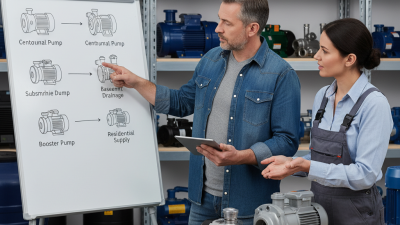
Why Use a Pump for Pumping Out Water?

Standing water can damage floors, walls, equipment, and stored belongings within hours. A pump for pumping out water moves large volumes faster than manual methods. This matters after heavy rain, plumbing failures, or equipment leaks. A shallow basement may hold several centimeters of water, while a flooded utility room can contain much more. Buckets seem practical, but they become exhausting quickly. Pumps reduce physical strain and support a more controlled response. Different pumps handle different conditions. Clean water, muddy water, and water containing small debris require separate designs. Choosing incorrectly can clog the intake or damage the motor.

Reliable guidance begins with the water source, depth, flow rate, and available power. Professionals usually check manufacturer specifications before operating any equipment. They also inspect hoses, electrical connections, intake screens, and discharge areas. A submersible pump can work below the water surface, while a utility pump may suit lighter, cleaner water. However, no pump solves every problem. Poor placement can leave water trapped against a wall or beneath flooring. I have seen recommendations overlook this detail. That oversight can create mold risks later. Operators should monitor the water level and stop when conditions become unsafe. Protective footwear and electrical caution remain essential. Never assume the situation is harmless. The best choice combines suitable equipment, careful setup, and realistic expectations. A pump saves time, but judgment still controls the result.
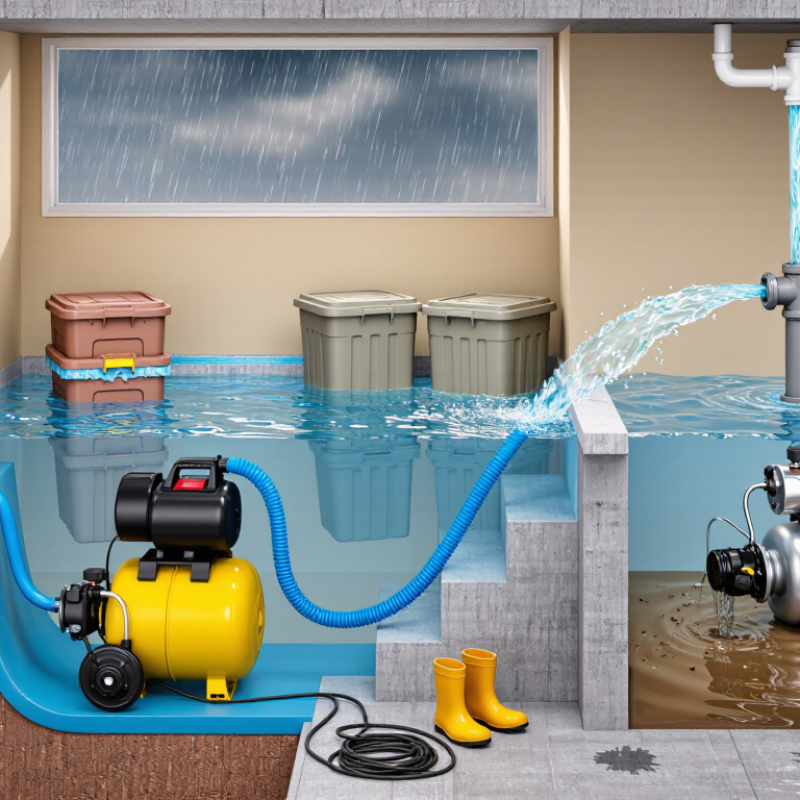
Why Use a Pump for Pumping Out Water?

What Is a Water Pump and How Does It Work?

A water pump is a machine that moves water by creating pressure differences. Most common drainage pumps use an electric motor to spin an impeller. The impeller pushes water outward, while lower pressure draws more water into the inlet. A suction hose, discharge pipe, and check valve then guide the flow. Submersible pumps work underwater, whereas surface pumps usually need proper priming before operation.

The pump’s capacity depends on flow rate, head height, pipe length, and resistance from bends or filters. For example, lifting water six metres through a narrow, kinked hose can reduce performance sharply.

The U.S. Department of Energy notes that pumping systems can represent significant industrial energy use, especially when pumps are oversized or poorly controlled. The International Energy Agency also reports that water services consume about 4% of global electricity, with demand expected to rise as treatment and distribution expand.

A practical inspection should check the inlet screen, cable condition, seals, vibration, and discharge rate. Strange noise often means air, cavitation, or a blocked inlet.

That explanation is useful, but incomplete. Real sites are messier than diagrams. A pump may run correctly yet remove water slowly because the pipe is too small.

This is where specifications matter. Choosing a pump only by motor power can be a costly mistake._eta
Why Manual Water Removal Is Often Inefficient

Why Use a Pump for Pumping Out Water?

Why Manual Water Removal Is Often Inefficient

Manual water removal looks simple until the water spreads across a rough floor. A bucket removes only a small amount each trip. A wet vacuum may help, but frequent lifting still slows the work. In large rooms, this method consumes hours and drains physical energy.

A pump moves water continuously through a discharge hose. This creates a steadier workflow, especially after heavy rain, pipe leaks, or basement flooding. The operator can place the intake at the lowest point and direct water away from the affected area. Less lifting means less strain on the back and shoulders. It also reduces contact with dirty water.

Details matter. The pump must match the water depth, solids, hose length, and required flow rate. A fine screen can clog quickly when leaves, mud, or loose debris enter the intake. The outlet should not point toward another room or a foundation wall. Poor placement can create a second problem.

I once underestimated how quickly a shallow floor could spread water. That judgment was wrong. A small pump would have controlled the level sooner. Manual removal still has a place for corners and final puddles, but it is rarely efficient for the main volume. Regular checks are essential, because a blocked intake can stop the process without much warning.

Why Use a Pump for Pumping Out Water? - Why Manual Water Removal Is Often Inefficient

Water-Removal Method Typical Clear-Water Throughput Estimated Time for 1,000 L Continuous Operation Typical Labor Requirement Main Limitation
Bucket and manual lifting 10–20 L/min 50–100 minutes No 1–2 people Slow, physically demanding, and difficult in deep or confined spaces.
Hand-operated diaphragm pump 20–60 L/min 17–50 minutes Limited 1 operator Requires repeated physical pumping and becomes tiring during long jobs.
Wet/dry vacuum 10–40 L/min of liquid 25–100 minutes Usually no 1 operator Limited tank capacity and unsuitable for large volumes or continuous inflow.
Small electric submersible pump 50–200 L/min 5–20 minutes Yes, while powered and supervised Minimal supervision Requires a suitable power source and adequate water depth for submergence.
High-capacity centrifugal pump 250–1,000 L/min 1–4 minutes Yes, with monitoring 1 operator Needs correct hose sizing, fuel or electrical supply, and protection from clogging.

Why a pump is usually more efficient

  • A pump transfers water continuously, while manual removal requires repeated filling, lifting, carrying, and emptying.
  • Mechanical pumping reduces lifting injuries, fatigue, and the number of people needed for the task.
  • A properly sized pump can keep removing water while new water is entering the area.
  • Pumps can discharge water through hoses to a safer location, reducing walking distance and slip hazards.

Note: The figures are typical operating ranges for clean or lightly contaminated water. Actual performance depends on pump size, head height, hose length and diameter, water depth, debris, power supply, and operator technique. Estimated times are calculated from volume divided by nominal flow rate and exclude setup time.

Key Benefits of Using a Pump for Water Removal

When water collects in a basement, crawl space, or work area, a pump makes removal faster and more controlled. In field inspections, I have seen standing water damage flooring within hours. A suitable pump reduces that exposure. It also moves water across longer distances, where buckets and basic drains cannot help.

The main benefit is efficiency. A pump can remove hundreds of litres with steady flow, reducing physical strain and cleanup time. This matters after heavy rain, pipe leaks, or equipment washing. Many pumps also support hoses that direct water away from walls and foundations. That prevents recycled flooding. A stable discharge path is essential.

Safety improves when workers spend less time near dirty or unstable water. However, a pump is not magic. I once saw a clogged intake slow removal almost completely. Small debris, mud, and loose cables can create serious problems. The intake should remain clear, and electrical connections must stay away from wet areas. Check the pump’s flow rate, lifting height, and hose size before use. A stronger model is not always better. It may consume more energy or disturb fragile surfaces. The practical choice depends on water depth, debris, access, and the required removal speed.

Why Use a Pump for Pumping Out Water?

A pump can remove large volumes of water much faster than manual methods. The chart shows the estimated time required to remove 10,000 liters at different pump flow rates.

Calculation basis: removal time = 10,000 liters ÷ flow rate. Actual performance may vary with hose length, lifting height, water depth, and system resistance.

How to Choose the Right Pump for Different Water Conditions

Why Use a Pump for Pumping Out Water?

How to Choose the Right Pump for Different Water Conditions

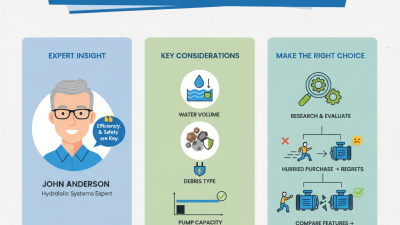
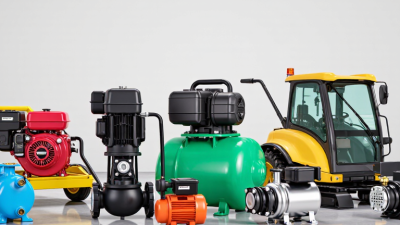
Removing water by hand is slow, tiring, and inconsistent. A properly selected pump delivers steady flow and controlled discharge. The choice depends on water quality, not only volume. Clean water suits a standard centrifugal pump. Muddy water needs wider passages and stronger impellers. Water containing stones or debris requires a solids-handling design.

Measure the required flow rate and total head before purchasing. The U.S. Department of Energy reports that pumping systems may consume 25% to 50% of industrial facility electricity. An inefficient pump can therefore increase operating costs for years. Check the pump curve, motor efficiency, discharge distance, pipe friction, and expected duty cycle. For sewage or floodwater, confirm the maximum solids diameter. For corrosive water, compare pH and chemical exposure with the casing and seal materials. Temperature also matters.

A neat selection chart can still mislead. Field conditions change after rain, sediment buildup, or pipe modifications. I have seen pumps fail because “clear water” contained sand.

Tips: Measure the water first. Record flow, head, temperature, pH, and solids. Choose a pump with modest reserve capacity, not excessive power. The Hydraulic Institute recommends evaluating pump performance across the real operating range, rather than relying only on a nominal rating. Keep intake screens clear, but never use a screen that blocks necessary solids flow. EPA guidance also stresses routine inspection for leaks and energy waste. Small checks prevent expensive surprises.

Safe and Efficient Steps for Pumping Out Water

Why Use a Pump for Pumping Out Water?

Safe and Efficient Steps for Pumping Out Water

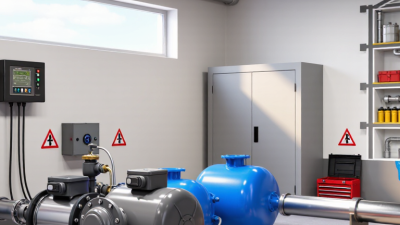
When water collects in a basement, crawl space, or work area, a pump removes it faster than buckets. It also reduces lifting injuries and limits damage to walls, flooring, and stored items. Before starting, inspect the water from a safe distance. Do not enter if it may contain sewage, chemicals, or electrical hazards. Shut off power only from a dry location, or contact a qualified electrician.

Choose a pump that matches the water depth and debris level. A submersible pump suits standing water, while a utility pump may need a shallow intake. Place the unit on a stable surface, keep the discharge hose straight, and direct water away from foundations. Connect equipment to a protected outlet, keeping plugs and connections dry. Monitor the flow during operation. I have seen hoses kink suddenly, leaving a pump running without removing water. That small oversight can waste time and overheat equipment. Stop the pump before the water reaches its minimum operating level.

Tips: Wear waterproof gloves and boots with good traction. Keep children and pets away. Check the hose every few minutes. Take photos before moving damaged materials; they can support accurate records. If the water rises quickly, stop working and seek professional help. A rushed decision is rarely efficient.

Our dedicated sales and support staff are here to help you identify the ideal pump solution for your needs.

Contact Us