Choosing the right oil pump for gear oil is not simply a matter of selecting the highest flow rate. Gear oil is often thick, especially in cold workshops, and a poorly matched pump may struggle, overheat, or deliver inconsistent lubrication. This guide introduces ten practical pump options for different equipment, container sizes, and service conditions.
Each selection should be examined through measurable details. Consider viscosity range, flow rate, pressure capability, hose length, seal material, power source, and maintenance requirements. A compact manual pump may suit occasional gearbox servicing, while an electric model can save time during repeated industrial work. Temperature matters too. Thick oil moves slowly through narrow hoses. That small detail is easy to overlook.
Real workshop conditions can be less predictable than product pages suggest. A pump rated for one viscosity may perform differently after storage, contamination, or temperature changes. Manufacturer specifications provide a reliable starting point, but field checks still matter. Watch for leaks around fittings, uneven discharge, unusual motor noise, and difficult priming. No single pump is perfect.
This Top 10 Oil Pumps for Gear Oil Buyers Guide compares useful designs without treating marketing claims as final proof. It focuses on practical performance, compatibility, durability, and user control. Buyers should confirm technical data with the manufacturer before purchase, especially for specialized gearboxes or demanding service environments. A careful choice can reduce waste, shorten maintenance time, and help protect expensive drivetrain components.
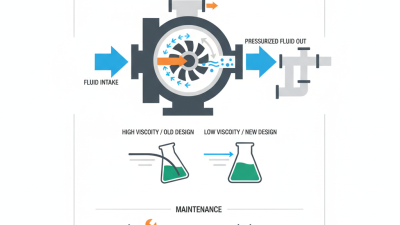
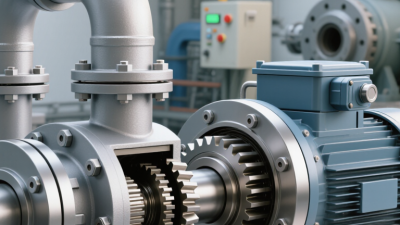
Gear oil pumps are positive-displacement machines designed to move viscous lubricant steadily. External gear pumps use two meshing gears. One gear drives the other, creating expanding cavities at the inlet and shrinking cavities at the outlet. Internal gear pumps use a smaller rotor inside a larger gear. Their crescent-shaped gap guides oil with lower pulsation.
Viscosity changes everything. Cold gear oil resists flow, increases starting torque, and can starve the inlet. Warm oil flows more easily but may reduce volumetric efficiency. The U.S. Department of Energy reports that pumping systems can consume 25–50% of industrial electricity in some facilities. This figure covers many pump applications, not only gear oil systems, but it highlights the cost of poor sizing. Select displacement, speed, and motor capacity together. Do not judge performance by pressure alone.
Pressure matters. So does slip.
Gerotor and trochoidal pumps suit compact lubrication circuits because their internal rotors provide smooth delivery. External gear pumps often tolerate straightforward maintenance and predictable flow. Every design needs an adequately sized relief valve. Without it, a blocked discharge can damage gears, shafts, seals, or the drive motor. ISO 3448 viscosity classifications help describe industrial lubricants, while ASTM D445 defines kinematic viscosity testing. In practice, test the actual oil at operating temperature. Catalog figures can mislead. A pump that performs well with warm laboratory oil may struggle during a winter start. That detail is easy to overlook.
| No. | Pump Type | Operating Principle | Typical Gear Oil Viscosity | Typical Flow Range | Typical Pressure Range | Best-Fit Applications | Key Advantages | Main Considerations |
|---|---|---|---|---|---|---|---|---|
| 1 | External Gear Pump | Two meshing gears trap oil between the gear teeth and casing, carrying it from the inlet to the outlet. Pressure is created by downstream resistance. | Approximately 10–1,000 cSt | 0.5–500 L/min | 2–20 bar | Lubrication circuits, transfer skids, gearboxes, and general industrial oil circulation. | Simple construction, compact size, steady displacement, and good availability of replacement parts. | Flow pulsation and noise can increase at high speed. Clearances must match oil viscosity and temperature. |
| 2 | Internal Gear Pump | An inner rotor and an outer internal gear rotate together. A crescent-shaped separator divides the suction and discharge zones. | Approximately 20–10,000 cSt | 1–1,000 L/min | 2–25 bar | High-viscosity gear oil transfer, filling systems, and low-to-medium-speed lubrication service. | Low slip, relatively quiet operation, good suction capability, and smooth handling of viscous fluids. | Usually larger than an external gear pump. Excessive speed may cause cavitation with cold, thick oil. |
| 3 | Gerotor Pump | An inner rotor with one fewer tooth than the outer rotor creates expanding inlet chambers and contracting discharge chambers. | Approximately 10–500 cSt | 0.5–150 L/min | 2–12 bar | Compact gearbox lubrication systems, mobile equipment, and integrated oil circulation units. | Compact design, low part count, smooth flow, and good volumetric efficiency at moderate speeds. | Not normally selected for very high pressure or heavily contaminated oil. Rotor clearances are critical. |
| 4 | Twin-Screw Pump | Two synchronized screws form sealed cavities that move oil axially from suction to discharge with low internal pulsation. | Approximately 10–100,000 cSt | 5–2,000 L/min | 5–40 bar | Large oil transfer systems, marine lubrication, pipeline service, and high-flow circulation. | Very low pulsation, wide viscosity capability, good suction performance, and gentle fluid handling. | Higher purchase cost and more demanding alignment, timing, and maintenance requirements. |
| 5 | Three-Screw Pump | A central power screw and two idler screws create continuous sealed cavities that convey oil along the screw axis. | Approximately 10–10,000 cSt | 1–5,000 L/min | 5–40 bar | Continuous lubrication, power-generation equipment, hydraulic oil circulation, and high-flow systems. | Quiet operation, minimal pulsation, high flow capacity, and good efficiency with clean lubricating oil. | Requires clean oil and correct inlet conditions. Dry running can quickly damage the screw surfaces. |
| 6 | Rotary Lobe Pump | Two or more non-contacting lobes rotate in a casing and transfer discrete volumes of oil from the inlet to the outlet. | Approximately 100–100,000 cSt | 1–500 L/min | 1–10 bar | Very viscous gear oil, heated-oil transfer, filtration loops, and applications requiring easy cleaning. | Low shear, reversible flow, large passages, and good handling of thick fluids. | Lower pressure capability than many gear pumps. Rotor-to-casing clearances can reduce efficiency as wear increases. |
| 7 | Sliding Vane Pump | Eccentric rotor-mounted vanes slide in and out to form expanding suction chambers and contracting discharge chambers. | Approximately 10–500 cSt | 1–300 L/min | 2–15 bar | Oil transfer, dispensing equipment, vehicle lubrication, and moderate-pressure circulation. | Good self-priming ability, relatively smooth flow, and stable performance over a broad speed range. | Vanes are wear components. Abrasive contamination, excessive temperature, and dry running shorten service life. |
| 8 | Reciprocating Piston Pump | A piston moves inside a cylinder, using check valves or port timing to draw in and discharge a measured volume of oil. | Approximately 10–10,000 cSt | 0.01–50 L/min | 20–700 bar | Metering, injection, centralized lubrication, and high-pressure gear oil delivery. | Very high pressure capability and accurate flow control at low delivery rates. | Pulsating flow, more valves and seals, higher maintenance needs, and limited suitability for very high flow rates. |
| 9 | Diaphragm Pump | A flexible diaphragm changes chamber volume while check valves control the suction and discharge direction. | Approximately 10–100,000 cSt | 0.1–200 L/min | 2–8 bar | Intermittent transfer, contaminated or moisture-sensitive oil service, and applications requiring fluid isolation. | Can run dry for limited periods, provides strong isolation, and handles a wide range of fluids. | Pulsating output, diaphragm fatigue, lower efficiency, and possible compatibility issues with certain gear oil additives. |
| 10 | Centrifugal Pump | A rotating impeller adds velocity to the oil, and the casing converts part of that velocity into pressure. | Approximately 1–100 cSt | 10–5,000 L/min | 1–10 bar | High-flow circulation of relatively warm, low-viscosity gear oil in open or closed-loop systems. | High flow capacity, simple continuous operation, and generally low pulsation. | Efficiency falls sharply as viscosity rises. It is usually unsuitable for cold, heavy gear oil or precise metering. |
When comparing oil pumps for gear oil, begin with viscosity range and operating temperature. Gear oil thickens sharply in cold workshops. A pump rated only for warm fluid may stall, overheat, or deliver uneven flow. Check the stated flow rate in liters per minute, not just motor power. Flow matters. Measure the required delivery time and compare it with the rated output under similar viscosity conditions. Published figures often describe ideal conditions, which can differ from field performance.
Pressure capability is equally important. Confirm maximum discharge pressure, inlet lift, and storage-container compatibility. A short, wide suction hose usually reduces restriction and protects the pump from cavitation. Look for seals designed for petroleum-based lubricants, then verify resistance to additives and temperature changes. A metal body may tolerate rough handling, but it can add weight during mobile servicing. Noise level, duty cycle, and thermal protection also affect daily usability.
For reliable purchasing, inspect service records, test procedures, and calibration information. A clear warranty helps, but traceable quality data offers stronger evidence. During practical trials, watch for leaks around fittings after repeated starts and stops. Also measure actual output with a graduated container. I once trusted a catalog number too quickly; the pump met its pressure claim but filled slowly through a narrow hose. That mistake changed my checklist. Port size, hose length, power supply, and cleaning access deserve equal attention before approval.
Choosing among the top ten oil pumps starts with gear oil viscosity, not catalogue popularity. A cold ISO VG 220 lubricant moves slowly through a narrow suction line. It needs a generous inlet diameter, short hose length, and steady low-speed torque. Positive-displacement designs often suit thick oils because they deliver measured flow without relying on high speed. I have found that a pump rated for water can struggle badly here. It may hum, heat, and barely fill a five-liter container.
For lighter gear oils, vane or centrifugal designs can provide smoother transfer at practical flow rates. Yet centrifugal performance falls when the oil becomes cold or aerated. Check the pump curve at the actual operating temperature, not only at 20°C. A workshop filling a gearbox through a small port needs controlled pressure and a relief path. Excess pressure can damage seals or force oil past the breather. Keep suction lift modest. Even a capable pump loses reliability when pulling oil from a floor-level drum.
Application details decide the final choice. Intermittent top-up work favors a compact, reversible pump with simple cleaning access. Continuous circulation demands heat control, filtration, compatible seals, and duty-rated bearings. Confirm compatibility with the oil’s additives and hose material. Measure flow with the delivery nozzle installed. That detail is often missed. A theoretical 20 liters per minute may become eight in real service. I would also record start-up time on a cold morning. It exposes weak sizing decisions quickly. No selection is perfect; viscosity changes, restricted fittings, and neglected filters can overturn careful calculations.
When comparing ten oil pumps, evaluate durability beyond the housing material. Gear oil can be thick, especially in cold workshops. A pump with hardened gears, strong bearings, and compatible seals usually handles repeated loading better. Check the published viscosity range and operating temperature. Do not trust a “heavy-duty” label alone. A steel frame may still hide weak shaft support. In field maintenance, small leaks often reveal poor seal selection before major failure occurs.
Maintenance should be simple and measurable. Look for accessible drain points, replaceable seals, and clear lubrication instructions. Inspect hoses, couplings, and fittings during every service interval. Record unusual noise, slower flow, or rising motor temperature. These signs matter. My checklist is not perfect, because actual oil contamination can change service intervals. Still, clean suction strainers and proper storage reduce avoidable wear. Never operate a positive-displacement pump without suitable pressure relief protection.
Tips: Confirm the pump matches the oil’s viscosity, flow rate, and container size. Install it on a stable, level surface. Keep the suction line short, sealed, and free from sharp bends. Align the coupling carefully. Poor alignment creates vibration and premature bearing damage. Before maintenance, isolate power, release pressure, and wear oil-resistant gloves and eye protection. Test the pump slowly after installation. Listen closely. A quiet start is useful, but it does not prove perfect installation.
Selecting the Best Oil Pump from the Top Ten Options
A top-ten list is only a screening tool. The best gear-oil pump must match viscosity, flow, pressure, temperature, and duty cycle. ISO 3448 classifies industrial lubricants by kinematic viscosity at 40°C, but the grade alone does not predict pumping behavior. Check ASTM D445 viscosity data at both 40°C and 100°C. Cold starts expose weak choices quickly. Thick oil may stall a small motor or overload a narrow inlet.
For a practical comparison, record each candidate’s rated flow, differential pressure, suction capability, speed range, seal material, and relief protection. Positive-displacement designs often suit heavy gear oil because they maintain flow against higher resistance. However, they can create dangerous pressure if the discharge line closes. Centrifugal units may suit lighter oils and steady transfer, but efficiency can fall sharply with viscosity. The U.S. Department of Energy’s pumping-system guidance estimates that pumps use about 27% of industrial motor-system electricity. Efficiency is more than a brochure number. Measure watts, litres per minute, and outlet pressure during a realistic test.
Do not rank the ten options by flow alone. A pump delivering 20 L/min at low resistance may fail where 8 L/min at high pressure is required. Inspect noise, vibration, leakage, and restart performance after overnight cooling. Service records and spare-part access also matter. I would leave room for doubt. Published efficiency is often measured with thin test fluid, not actual gear oil. A short site trial can overturn the neatest spreadsheet.
Selecting the Best Oil Pump from the Top Ten Options
The chart compares typical nominal flow capacities for ten commonly used oil-pump configurations when transferring gear oil. Higher flow is useful for bulk transfer, while hand-operated and low-flow electric pumps provide better control for service filling and maintenance work. Actual performance varies with oil viscosity, temperature, hose length, suction lift, and system pressure, so buyers should confirm the pump’s viscosity range and pressure rating before selection.
We are here to help you with all your queries and concerns, just write to us using the below form and we will get back to you as soon as we can.