
Why Choose OEM Gear Pump Spare Parts?

Choosing OEM gear pump spare parts is not merely a purchasing decision. It can determine how steadily a hydraulic system performs under pressure.

In real maintenance work, small differences matter. A gear pump may run smoothly at startup, then lose efficiency after several hours. Incorrect tooth profiles, weak seals, or poor shaft tolerances often cause this change. OEM gear pump spare parts are designed around the original pump’s dimensions, materials, and operating requirements. This alignment can reduce fitting problems and support more predictable service life. It also helps technicians follow the manufacturer’s maintenance guidance with greater confidence. That said, OEM parts are not automatically perfect for every application. Operating conditions may have changed since the pump was installed. We should check fluid type, temperature, pressure, speed, and contamination before ordering.

Traceability adds another practical advantage. Reliable suppliers can provide part numbers, material details, inspection records, and compatibility information. These details help maintenance teams avoid uncertain substitutions. A genuine seal, bearing, or gear set may look ordinary on a workbench. Its value appears during demanding cycles, when heat rises and clearances become critical. Experienced technicians still inspect the complete pump, not only the replaced component. This step is easy to overlook.

OEM selection can improve reliability, but it requires careful judgment. Compare service history, operating data, and total replacement cost. A cheaper alternative may fit today and fail earlier. The right decision combines verified specifications, technical expertise, and honest attention to field conditions.

Why Choose OEM Gear Pump Spare Parts?

What Are OEM Gear Pump Spare Parts?

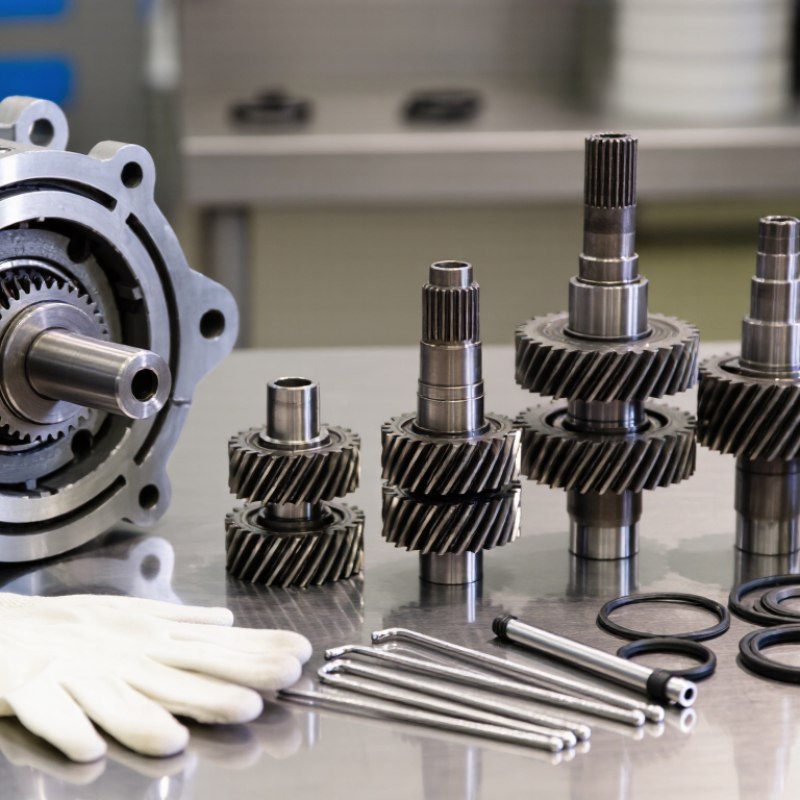
OEM gear pump spare parts are replacement components made to the original equipment manufacturer’s drawings, materials, and dimensional tolerances. They may include gears, shafts, bushings, seals, thrust plates, covers, and drive keys.

The goal is not simply to make the pump run. Each part must work with the housing, fluid, pressure, and operating speed. That fit protects volumetric efficiency and helps control internal leakage.

In field maintenance, small differences matter. A bushing with the wrong clearance can increase heat, noise, and wear within a short operating period. An unsuitable seal may soften, swell, or leak when exposed to a specific fluid or temperature.

OEM parts offer traceable specifications and documented compatibility, supporting more reliable maintenance decisions. Still, OEM does not mean every installation will be perfect. Contamination, poor alignment, incorrect lubrication, or a damaged housing can defeat a good replacement part. Careful inspection remains necessary.

Tips: Compare the pump model, revision, shaft size, seal material, and pressure rating before ordering. Measure worn parts when possible. Check gear end clearance during assembly. Keep spare parts sealed, clean, and protected from moisture. A rushed installation can waste an otherwise correct component.

How OEM Parts Ensure Precise Pump Compatibility

Choosing OEM gear pump spare parts is mainly a compatibility decision, not a loyalty decision. The U.S. Department of Energy’s Improving Pumping System Performance sourcebook states that pumping systems may consume about 25% of industrial electricity. Small hydraulic losses therefore deserve attention. OEM parts preserve the specified displacement, shaft geometry, mounting pattern, port position, and pressure rating. These details must work together. A replacement can fit the housing yet still produce noise, heat, or unstable flow.

Precise compatibility starts with controlled drawings and traceable dimensions. Technicians should compare shaft diameter, keyway depth, flange bolt spacing, inlet and outlet orientation, seal material, and rotation direction. A two-millimeter error can alter coupling alignment. It can also increase bearing load. The Hydraulic Institute’s pump standards emphasize verified operating conditions, tolerances, and application data rather than appearance alone. That principle matters for gear pumps. Similar-looking parts are not automatically interchangeable.

IEA’s Energy Efficiency 2023 report notes that electric motor systems consume roughly half of global electricity. Efficient pump operation supports that larger energy picture. Yet selecting OEM parts is not a magic guarantee. Contamination, incorrect oil viscosity, or poor installation can still damage a new pump. I would not approve a replacement from the part number alone. Check service history, pressure records, and measured shaft condition. The best decision combines manufacturer drawings with evidence from the actual machine.

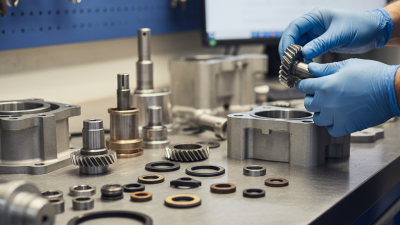
How OEM Components Support Reliable Pump Performance

Reliable pump performance rarely fails in one dramatic moment. It usually declines through small clearance changes, worn teeth, and unstable flow.

OEM gear pump spare parts are designed around the pump’s original geometry, materials, and pressure requirements. That alignment matters at the shaft, bushing, seal, and tooth flank. Even a slight mismatch can increase leakage, heat, vibration, and power demand. During field maintenance, technicians can verify part numbers, measured clearances, and material certificates before installation. That evidence supports traceability, an important part of dependable maintenance.

Energy deserves attention too. The U.S. Department of Energy reports that industrial pumping systems consume about 25% of industrial electricity. Its Improving Pumping System Performance guidance identifies potential savings of 20% to 50% through system improvements. Poorly matched replacement parts can quietly erase those gains. Correct OEM geometry helps the pump maintain its intended displacement and reduce avoidable recirculation. Performance should still be checked through pressure, temperature, noise, and current readings. Numbers are better than assumptions.

OEM is not magic. Poor alignment, contaminated fluid, or an incorrect relief setting can still damage new parts. That is where experience matters. Installers should inspect the housing, flush the circuit, and confirm lubrication compatibility. ISO 14224:2016 emphasizes consistent equipment data for maintenance and reliability analysis. Recording operating hours, failure symptoms, and replaced components makes future decisions more defensible.

OEM Parts Compared with Aftermarket Alternatives

Why Choose OEM Gear Pump Spare Parts?

OEM parts are manufactured to the original gear profile, shaft tolerance, material grade, and sealing specification. That precision matters when a pump handles hot oil, abrasive fluid, or frequent pressure changes. In field maintenance, a small clearance error can cause internal leakage, noise, and slower filling. It may look minor. It rarely stays minor.

The U.S. Department of Energy’s Industrial Motor Systems Market Assessment reports that motor-driven equipment uses about 23% of U.S. electricity. Poor pump performance therefore deserves measurement, not guesswork. OEM components support traceability through drawings, material records, and controlled inspection. They also reduce the risk of mixing incompatible gears, bearings, and seals. The Hydraulic Institute’s life-cycle-cost guidance recommends evaluating total operating cost, rather than purchase price alone. An inexpensive aftermarket kit can become costly after repeated shutdowns, rework, or fluid contamination.

Aftermarket parts are not always unsuitable. Some suppliers produce accurate replacements and provide dimensional reports, hardness results, and pressure testing. The weakness appears when documentation is missing. OEM is not automatically perfect, either. Buyers should compare tolerances, metallurgy, seal compatibility, warranty terms, and delivery time. A practical check includes measuring the old shaft, inspecting scoring on the housing, and confirming the working pressure. One overlooked detail can defeat a cheaper repair.

How to Select the Right OEM Gear Pump Spare Parts

Selecting the right OEM gear pump spare parts starts with accurate pump identification. Record the model, serial number, displacement, rotation direction, and pressure rating. A similar-looking gear may still have different tooth geometry or shaft dimensions. Check the original parts list and technical drawing before ordering.

Fluid conditions matter just as much. Confirm the medium, operating temperature, viscosity, and contamination level. Seal materials must match the fluid, while gears and bushings need suitable hardness and wear resistance. Inspect the failed part closely. Scoring, pitting, or unusual discoloration may indicate poor lubrication or misalignment, not only normal wear. Replacing one component can fail again if the root cause remains.

Tips: Ask for material certificates, dimensional tolerances, inspection records, and batch traceability. Compare the supplied part with the old one using calipers and a clean workbench. Do not force installation. A tight fit may signal incorrect clearance. It is tempting to choose the lowest price, but undocumented parts can create leakage, noise, and downtime. Still, OEM does not automatically mean perfect; verify the specification, supplier reliability, and application conditions before purchase. A careful second check saves time.

Why Choose OEM Gear Pump Spare Parts?

How to Select the Right OEM Gear Pump Spare Parts

The chart shows the theoretical flow produced by different gear displacement options at a constant speed of 1,500 rpm. The calculation uses Flow (L/min) = Displacement (cm³/rev) × Speed (rpm) ÷ 1,000. When selecting OEM spare parts, verify displacement, shaft dimensions, mounting configuration, pressure rating, fluid compatibility, and temperature limits. Actual flow may be lower because of volumetric losses.

Our dedicated sales and support staff are here to help you identify the ideal pump solution for your needs.

Contact Us